Fall brings cooler temperatures, crisp air, and an opportunity to refresh commercial landscapes with seasonal color. As summer blooms fade, introducing new plantings helps properties look polished and inviting. For property managers in Maryland and Washington, DC, choosing the right fall flowers to plant is an effective way to boost curb appeal and keep exterior spaces looking their best throughout the season.
Why Fall Color Matters for Commercial Properties
Fall is one of the best times to introduce new plantings because the soil is still warm, and rainfall is more consistent. These conditions allow flowers to establish strong root systems before winter sets in. For commercial properties, this means longer-lasting color and fewer replacements compared to planting during the heat of summer.
Adding fresh flowers in the fall is also an easy way to make entrances, signage areas, and walkways more inviting for tenants and visitors. A well-maintained property gives a strong first impression and communicates professionalism. Blythewood Landscape Management helps property managers achieve this by incorporating seasonal color rotations into regular maintenance programs, keeping landscapes attractive and consistent all year.
Best Fall Flowers to Plant in Maryland and Washington, DC
The Mid-Atlantic’s mild fall season allows for a wide variety of flowers to thrive. Below are some of the best fall flowers to plant for color, resilience, and ease of maintenance.
- Pansies
Pansies are among the most popular flowers for fall because of their bright colors and ability to withstand cooler temperatures. They can bloom from fall through early winter, depending on weather conditions. Their cheerful petals come in a wide range of colors, from soft pastels to bold purples and yellows, making them a flexible option for commercial landscapes. - Violas
Violas are close relatives of pansies but feature smaller blooms. They perform exceptionally well in cooler weather and can add vibrant color to planters, walkways, and flower beds. Because they bloom consistently, violas provide steady color across fall and into early spring. They also work well when planted in combination with other seasonal flowers. - Chrysanthemums (Mums)
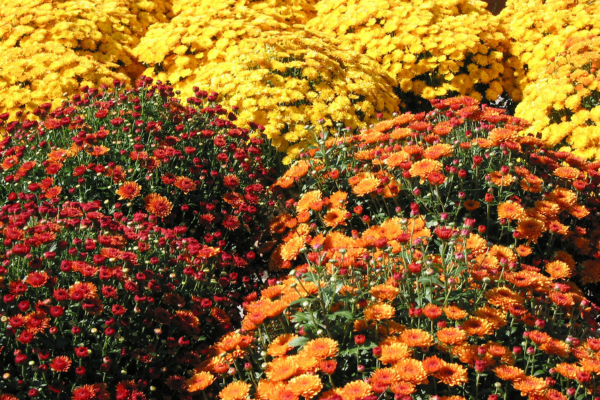
Chrysanthemums, commonly known as mums, are a classic choice for fall plantings. Their full, round blooms and wide variety of colors make them one of the most versatile fall flowers to plant. Mums are perfect for creating uniform displays around entryways or accenting shrubs and ornamental grasses. Their long bloom period makes them ideal for properties that need lasting color. - Ornamental Kale and Cabbage
Ornamental kale and cabbage offer unique texture and deep color contrast. Their rich green and purple foliage holds up well through chilly weather, providing beauty even after frost arrives. These plants are low maintenance and can be paired with pansies or violas for a balanced display that mixes color and texture. - Marigolds
Marigolds continue to thrive well into early fall. Their warm golden and orange tones complement the autumn landscape perfectly. They are durable, easy to care for, and bloom until the first frost. Marigolds look great in larger flower beds or along borders where consistent color is needed. - Asters
Asters are another strong performer for fall color. These perennial flowers produce daisy-like blooms in shades of purple, pink, and blue. They attract pollinators and blend well with other seasonal plants. Once established, asters return year after year, adding long-term value to commercial landscapes.
Planting and Maintenance Tips for Fall Flowers
Planting in the fall requires timing and preparation to keep flowers looking vibrant. Here are a few key tips for commercial property managers to consider when introducing fall flowers to plant:
- Prepare the soil. Before adding new plants, remove any dead summer growth and old mulch. Mixing compost or fresh soil helps flowers establish quickly.
- Plant early. Aim to plant in late September or early October so flowers have time to take root before colder temperatures set in.
- Space properly. Giving each plant enough room allows airflow and prevents mold or disease.
- Use mulch. A fresh layer of mulch around flowers helps maintain soil temperature and moisture levels.
- Regular upkeep. During scheduled maintenance visits, deadhead blooms, check for pests, and adjust watering to suit weather conditions.
Routine flower bed care fits naturally into Blythewood Landscape Management’s regular service schedules, keeping seasonal displays healthy and consistent without adding significant labor or cost.
Design Strategies for Commercial Curb Appeal
Strategic placement and thoughtful color choices help properties stand out while keeping a cohesive, professional look. When deciding where to plant, focus on high-visibility areas such as:
- Entryways and main doors
- Around building signage
- Parking lot medians and islands
- Outdoor seating or patio areas
Blending different fall flowers to plant can create eye-catching displays that complement the property’s existing design. For example, pansies can provide a soft border around larger mums, while ornamental kale adds dimension and contrast. Combining warm and cool tones helps landscapes look balanced and intentional.
Property managers can also use container plantings for flexible seasonal updates. Planters near doorways or walkways add color and can be changed easily from one season to the next. This keeps the property looking refreshed throughout the year without major overhauls.
Sustainability and Seasonal Value
Choosing sustainable plants adds both visual and environmental value. Many of the best fall flowers to plant are drought-tolerant or require minimal fertilizer, making them ideal for environmentally conscious maintenance plans. Flowers like violas, asters, and ornamental cabbage are hardy enough to withstand varying weather conditions, which helps reduce plant replacement costs.
Recycling plant material through composting and reusing soil amendments can also improve sustainability. Blythewood Landscape Management can help property managers create maintenance programs that keep seasonal color consistent while promoting sustainable landscape practices.
In addition to flowers, property managers can consider incorporating small evergreen shrubs or ornamental grasses for year-round structure. These plants add depth to flower beds and maintain visual interest even after fall blooms fade.
Keep Your Property Looking Its Best This Fall
A seasonal refresh with the right fall flowers to plant helps commercial properties stand out and stay inviting. The right combination of color, placement, and regular maintenance can make entrances, walkways, and outdoor spaces look vibrant well into the colder months.
For professional landscape maintenance and seasonal planting in Maryland and Washington, DC, contact Blythewood Landscape Management. Their experienced team helps commercial property managers maintain attractive, high-quality outdoor spaces that make a lasting impression year-round.
Frequently Asked Questions About Fall Flowers
When is the best time to plant fall flowers in Maryland and DC?
The ideal time is from mid-September through late October. Planting during this period allows flowers to develop strong roots before colder temperatures arrive.
Do fall flowers need daily watering?
Most fall flowers only need moderate watering. Cooler weather reduces evaporation, so maintaining even moisture is more important than frequency.
Can some fall flowers survive winter?
Yes. Certain varieties, such as pansies and ornamental kale, can survive mild winters and continue adding color through early spring.
What soil conditions are best for fall flowers?
Well-drained soil with a balanced mix of organic matter works best. If the soil is compacted or depleted, adding compost before planting helps improve structure and nutrient levels.
Which flowers are the most low maintenance?
Mums, violas, and ornamental cabbage are some of the easiest flowers to maintain. They thrive in cooler weather and need minimal attention after planting.

Bernie Granzow is the owner of Blythewood Landscape Management, a business inspired by his early experiences at the historic Blythewood Farms. Mentored by Mr. Alfred Smith Jr., Bernie turned his passion for the outdoors into a growing commercial landscaping company. Today, he continues to honor that legacy by leading Blythewood Landscape Management with dedication to the craft and the community.