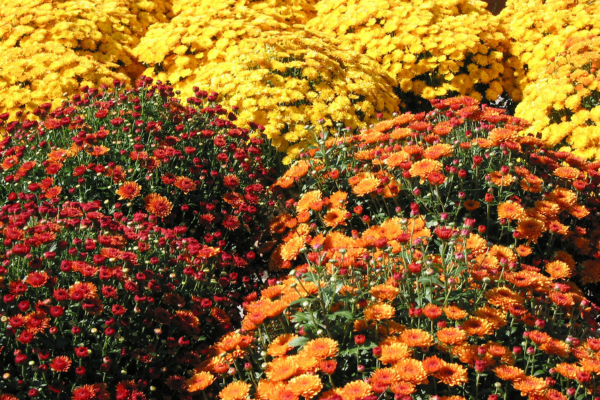
For commercial properties in Maryland, DC, and Virginia, deer can pose a constant challenge. Whether you’re managing an office park in Northern Virginia or a retail center outside Baltimore, it’s frustrating to see carefully planned landscaping become a buffet for the local herd. The solution? Incorporating deer resistant plants into your landscape design.
While no plant is entirely deer-proof, there are a number of options that deer find unappealing due to taste, texture, or scent. This makes them a smart choice for commercial landscapes where maintaining appearance and reducing maintenance costs are both high priorities.
Why Deer Resistant Plants Matter for Commercial Properties
Deer are more than just a nuisance. Their feeding habits can destroy expensive landscape installations, stress plants, and create bare patches in high-visibility areas. Property managers across Maryland, DC, and Virginia know firsthand how quickly one season of grazing can undo months of landscaping work.
Using deer resistant plants can help prevent these issues by creating natural deterrents. Landscapes that include these varieties are less likely to suffer damage, which leads to:
-
Lower replacement costs
-
Reduced need for chemical repellents
-
Improved curb appeal
-
A healthier, more self-sustaining plant environment
Best Deer Resistant Plants for Maryland, DC, and Virginia
The Mid-Atlantic climate supports a wide range of ornamental and native plants, many of which deer tend to avoid. Below are some of the most effective options to consider when designing a landscape that stands up to grazing pressure.
1. Boxwood (Buxus)

Boxwoods are a staple in commercial landscaping for their evergreen foliage and ability to be shaped. Their strong scent and dense structure make them unappealing to deer. They’re ideal for low hedges or ornamental borders and hold up well in both sun and partial shade.
2. Russian Sage (Perovskia atriplicifolia)

With silvery leaves and spiky purple blooms, Russian Sage is both beautiful and deer resistant. Its scent and texture discourage browsing, and it thrives in full sun and dry conditions. This makes it a low-maintenance choice for commercial properties with poor soil or limited irrigation.
3. Lavender (Lavandula)

Lavender is another excellent choice due to its strong aroma, which deer dislike. It’s great for softening hardscape edges or adding seasonal color. Plus, it attracts pollinators—something that’s become more important as property managers consider biodiversity in landscaping.
4. Switchgrass (Panicum virgatum)

Native grasses like switchgrass are especially useful for commercial properties that want a naturalized or modern look. Switchgrass is both hardy and unattractive to deer. It tolerates a wide range of conditions and provides year-round visual interest with its upright shape and seasonal seed heads.
5. Black-eyed Susan (Rudbeckia hirta)
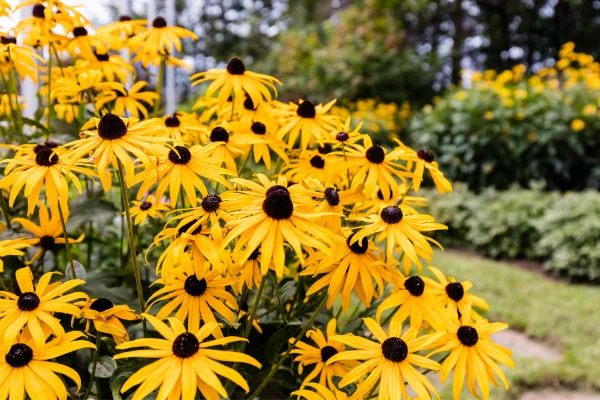
This Maryland state flower is native to the region and offers bright yellow blooms that last all summer. Deer typically avoid it due to its coarse texture and hairy stems. It works well in mass plantings or as a splash of color in mixed beds.
6. Yarrow (Achillea millefolium)

Yarrow has a pungent scent and rough leaves that most deer won’t touch. It’s drought-tolerant, blooms in summer, and comes in a variety of colors. Its fern-like foliage and upright habit make it a good fit for more structured commercial landscape designs.
7. Lamb’s Ear (Stachys byzantina)
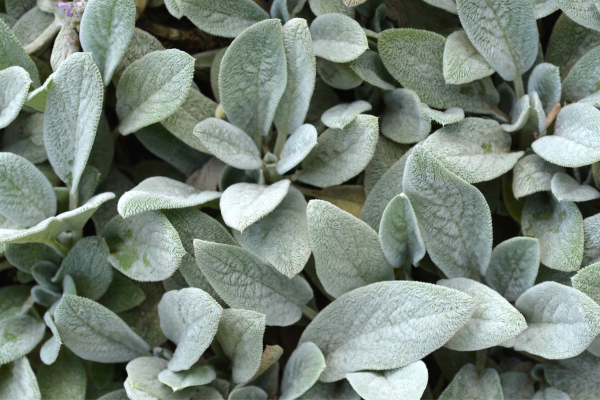
Its soft, velvety leaves are pleasing to humans but unappetizing to deer. Lamb’s Ear is low-growing, spreads nicely as groundcover, and adds texture and contrast to landscape beds. It’s also heat-tolerant and does well in full sun.
8. Japanese Pieris (Pieris japonica)

This broadleaf evergreen shrub offers year-round greenery and clusters of spring flowers. Its leathery leaves and slightly toxic nature make it unappealing to deer. It’s best suited for shaded areas and provides an elegant backdrop for seasonal plantings.
Design Tips for Using Deer Resistant Plants
Choosing the right plants is only the first step. For best results, commercial property managers should consider how those plants are incorporated into the larger landscape strategy. Here are a few practical tips:
-
Layer Plantings: Use deer resistant plants along outer edges or high-traffic areas to act as a deterrent barrier.
-
Mix Native and Ornamental Species: Native plants are often more resistant to local pests and diseases.
-
Avoid High-Maintenance Varieties: Even if a plant resists deer, it shouldn’t require constant pruning or specialized care.
-
Plan for Year-Round Appeal: Use a mix of evergreen, deciduous, and seasonal flowering varieties to keep landscapes attractive across all seasons.
-
Consult Regional Plant Databases: The Maryland Department of Natural Resources offers a helpful list of plants rated for deer resistance, categorized by region and planting type.
The Importance of Plant Placement
Even with the best plant choices, poor placement can make deer damage more likely. For example, installing flowering perennials near wooded edges or in isolated planting beds can invite browsing. Instead, try grouping deer resistant plants around more vulnerable varieties. Deer are less likely to push past strongly scented or unpalatable borders just to reach a plant they prefer.
Also, avoid planting a monoculture—large swaths of the same plant type. This makes the area more noticeable and attractive to deer. Variety not only looks better but also makes it harder for deer to identify favorite food sources.
What About Repellents?
Deer repellents can be helpful in the short term, especially during planting season or in areas where pressure is unusually high. But for commercial landscapes, relying solely on chemical sprays or granules is rarely practical. These products need to be reapplied after rain and can carry an unpleasant odor.
When repellents are used, they work best in combination with deer resistant plants and smart landscape design. That way, the repellent acts as a temporary deterrent while the plantings offer long-term protection.
Reduce Liability and Improve Property Value
It’s easy to overlook the financial and operational impacts of deer damage. Eaten plants aren’t just a cosmetic problem—they affect your property’s professional appearance, tenant satisfaction, and even safety.
Shrubs that are constantly grazed may die off, leaving tripping hazards, exposed irrigation lines, or empty beds that need emergency replacements. A well-planned landscape using deer resistant plants can cut down on maintenance, protect investments, and help maintain a positive impression of your property.
Final Thoughts
Deer will always be a part of the landscape in Maryland, DC, and Virginia, especially in suburban and semi-rural commercial zones. But that doesn’t mean your landscaping has to suffer. With the right mix of deer resistant plants, smart design practices, and local expertise, you can protect your investment and keep your properties looking their best year-round.
If you’re ready to update your landscape with plants that stand up to deer while still delivering curb appeal, Blythewood Landscape Management is here to help. We provide expert commercial landscaping services designed to meet the needs of property managers across the region.
Contact us today to schedule a consultation and discover how the right plant choices can make a big difference on your property.
FAQs
What are the best deer resistant plants for commercial properties?
Boxwood, Russian Sage, Lavender, and Switchgrass are some of the most effective deer resistant plants for commercial landscapes in the Mid-Atlantic region.
Can deer resistant plants survive in shaded areas?
Yes. Options like Japanese Pieris and certain varieties of ferns and ornamental grasses do well in shade and are less likely to be grazed by deer.
Do deer resistant plants need special maintenance?
Most deer resistant plants are low maintenance and well-suited for commercial settings. Many are drought-tolerant and require minimal pruning or fertilization.

Bernie Granzow is the owner of Blythewood Landscape Management, a business inspired by his early experiences at the historic Blythewood Farms. Mentored by Mr. Alfred Smith Jr., Bernie turned his passion for the outdoors into a growing commercial landscaping company. Today, he continues to honor that legacy by leading Blythewood Landscape Management with dedication to the craft and the community.