Commercial property managers in Maryland are always looking for ways to keep landscapes healthy and attractive. A lush, green lawn can help make a strong impression on tenants, clients, and visitors. One of the most effective practices for achieving this is lawn aeration. The question many managers ask is simple: when is the best time to aerate your lawn?
The timing matters because aeration is a process that works with the natural growth cycle of grass. Choosing the right season can maximize results, while poor timing can reduce the benefits or even stress the turf. Below, we’ll break down the science of aeration, explain how it impacts lawns in Maryland, and give you a clear answer to when is the best time to aerate your lawn.
What Does Lawn Aeration Do?
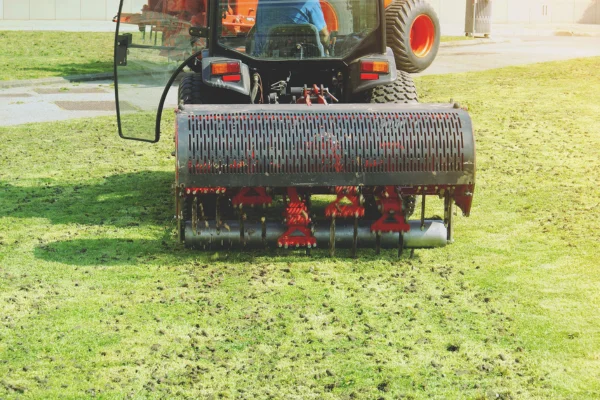
Aeration involves removing small plugs of soil from the turf to reduce compaction and improve the flow of air, water, and nutrients to the root zone. Over time, commercial properties experience heavy foot traffic, equipment use, and even natural settling of soil. This compaction prevents roots from accessing what they need to thrive.
By aerating, you create small channels that allow roots to grow deeper and stronger. A healthy root system means thicker grass, improved resistance to drought, and a more attractive property overall. For property managers, this translates to fewer complaints, better curb appeal, and reduced long-term maintenance costs.
Why Timing Matters for Aeration
Understanding when is the best time to aerate your lawn requires knowing how grass grows. Aeration temporarily stresses turf. If the grass is actively growing, it can quickly recover and take advantage of the open soil pockets. If it is dormant or under environmental stress, it may not recover well.
In Maryland, cool-season grasses dominate most commercial landscapes. These grasses, such as Kentucky bluegrass, perennial ryegrass, and fescue, grow best in cooler weather. Aerating during their peak growing season helps them bounce back faster and fill in thin areas.
When is the Best Time to Aerate Your Lawn in Maryland?
The best time to aerate cool-season grasses is in early fall. In Maryland, this typically means September through mid-October. During this period, soil temperatures are still warm, air temperatures are cooler, and rainfall is more consistent. These conditions allow roots to expand deeply while the grass blades recover quickly from the stress of aeration.
Fall also presents the advantage of fewer weeds. If you aerate in spring, weeds such as crabgrass can take advantage of the open soil spaces. In contrast, fall aeration supports desirable turf growth without giving weeds the same opportunity.
For some properties, spring aeration may be considered, particularly if the soil is extremely compacted after winter. However, it is not the optimal choice compared to fall because summer heat arrives quickly in Maryland, making it harder for grass to recover.
Signs That Your Property’s Lawn Needs Aeration
Commercial property managers may not always know if their lawns need aeration. The following signs can help you decide if the timing is right:
- Water pooling on the surface after rainfall
- Thin or patchy grass despite regular care
- Soil that feels hard to the touch
- Heavy traffic areas where grass looks worn down
- Increased weed growth or pest issues
If these conditions are visible, it may be time to schedule aeration during the proper season.
The Benefits of Fall Aeration for Commercial Properties
When is the best time to aerate your lawn is not just about improving grass health. For commercial property managers, it also comes down to long-term maintenance efficiency and tenant satisfaction.
By scheduling aeration in the fall, property managers can:
- Support thicker turf growth before winter dormancy
- Improve soil structure for spring green-up
- Reduce water runoff and puddling in high-traffic areas
- Minimize the need for expensive repair services in the future
These benefits help maintain a professional appearance while keeping costs under control.
Pairing Aeration with Overseeding
Many landscaping professionals recommend overseeding after aeration. The holes left behind create the perfect environment for new seeds to take root. For Maryland properties with cool-season grasses, overseeding in early fall gives new grass enough time to establish before winter.
This combination can transform thinning or stressed lawns into vibrant green landscapes by the following spring. For managers, this is one of the most cost-effective ways to refresh turf without a full renovation.
Maryland Climate Considerations
Maryland’s unique climate influences when is the best time to aerate your lawn. The state’s transitional zone means summers can be hot and humid, while winters can be cold and harsh. This creates challenges for turf management.
Aerating in the fall helps grass strengthen before winter frost sets in. With healthier roots, lawns are better prepared to survive freezing conditions and bounce back once spring arrives. For commercial landscapes that experience constant use, this seasonal preparation is critical to keeping properties looking their best year-round.
Professional Aeration Services vs. DIY
Property managers often weigh whether to hire a professional landscaping company or attempt aeration on their own. While small residential lawns may be manageable with rental equipment, commercial properties are much more complex.
Large properties require heavy-duty equipment and precise scheduling to avoid disruptions. Professionals also understand soil types, grass species, and local climate conditions. For example, they can identify whether areas with clay-heavy soil need more frequent aeration. According to research from University of Maryland Extension, professional aeration is a proven way to improve soil health and turf density in the region.
By investing in professional service, managers reduce risks, save time, and achieve better results.
How Often Should Aeration Be Scheduled?
While the best time to aerate your lawn in Maryland is early fall, the frequency depends on the property. High-traffic areas may require annual aeration, while less compacted lawns may only need it every two to three years.
Commercial properties with clay soil often need more frequent aeration than those with sandy soil. An experienced landscaping contractor can assess soil conditions and recommend the right schedule.
Preparing for Aeration
To get the most out of aeration, preparation is key. Property managers can work with their landscaping contractor to:
- Mow the grass shorter than usual to make the process easier
- Water the soil a day before aeration for better plug removal
- Plan around tenant schedules to minimize disruption
Proper planning allows for smoother execution and better results for the property.
Contact Blythewood Landscape Management Today!
Blythewood Landscape Management specializes in keeping commercial properties across Maryland looking their best. If you are a property manager wondering when is the best time to aerate your lawn, now is the time to schedule fall services. Contact Blythewood Landscape Management today to discuss aeration, overseeding, and complete lawn care solutions that keep your property healthy, green, and ready for the seasons ahead.
FAQs About Lawn Aeration
- When is the best time to aerate your lawn?
The best time to aerate cool-season grasses in Maryland is early fall. Signs that your property may need aeration include compacted soil, puddling water, and thin or patchy grass. If you are unsure, consult a professional landscaping contractor who can evaluate soil and turf conditions. - Can I aerate my lawn in spring instead of fall?
Spring aeration can help if the soil is heavily compacted, but it is less effective than fall aeration. Warm summer weather often arrives quickly in Maryland, making it harder for grass to recover. Fall provides the best growing conditions for cool-season grasses. - How often should commercial properties schedule lawn aeration?
Most commercial properties benefit from annual aeration, especially those with heavy foot traffic or clay soils. Properties with less compaction may only need aeration every two to three years. A professional evaluation can help determine the ideal schedule for your property.

Bernie Granzow is the owner of Blythewood Landscape Management, a business inspired by his early experiences at the historic Blythewood Farms. Mentored by Mr. Alfred Smith Jr., Bernie turned his passion for the outdoors into a growing commercial landscaping company. Today, he continues to honor that legacy by leading Blythewood Landscape Management with dedication to the craft and the community.