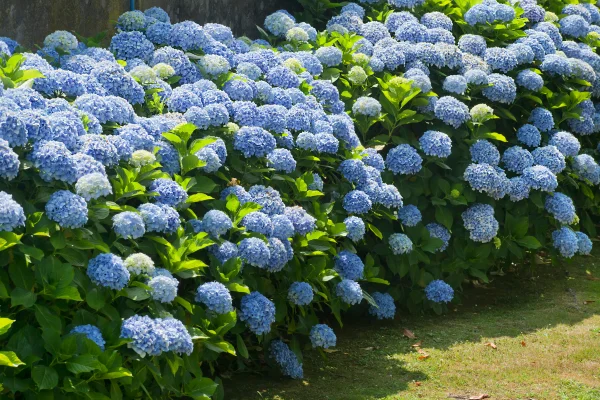
Hydrangeas are a popular choice for commercial properties throughout Maryland, Washington, DC, and Virginia. Their large, colorful blooms make a strong visual impact in entryways, around signage, and along building facades. When cared for properly, they bring color and structure to commercial landscapes, even in high-traffic areas. But once summer heat sets in, they require thoughtful attention to stay healthy and attractive.
Hydrangea care in the summer involves more than just watering. The right combination of plant knowledge, timing, and landscape planning makes a big difference in how these plants perform. Below is a comprehensive guide to maintaining healthy hydrangeas throughout the hottest part of the year.
Understanding the Hydrangea Varieties on Your Property
Before deciding on a care plan, it helps to know which types of hydrangeas are installed. The most common varieties used in commercial landscaping include:
- Bigleaf (Hydrangea macrophylla): Known for large, round flower heads. Colors vary from pink to blue depending on soil pH.
- Panicle (Hydrangea paniculata): These feature cone-shaped blooms and tolerate full sun better than other types.
- Smooth (Hydrangea arborescens): These have round, typically white blooms and perform well in a wide range of conditions.
Each variety has different tolerances for sun, pruning schedules, and watering needs. A professional landscaping team can help identify what is planted and adjust the maintenance plan to match.
Watering Wisely During Summer
Hydrangeas are sensitive to moisture stress. Long, dry stretches are common during summers in Maryland, DC, and Virginia, and they can take a toll on these plants. While hydrangeas don’t like standing in soggy soil, they need deep and consistent watering to stay strong in high heat.
A professionally installed irrigation system should be calibrated to provide slow, even moisture at the root level. Watering early in the morning is ideal, reducing evaporation loss and helping plants absorb moisture before temperatures rise. In addition, properties with multiple exposure levels (shady versus sunny zones) should have watering zones adjusted accordingly.
Mulching for Moisture Retention
Mulch helps reduce temperature fluctuations and lock in moisture. For hydrangeas, a layer of organic mulch about 2 to 3 inches deep is usually best. This also helps reduce competition from weeds and keeps roots cool during hot afternoons.
Landscapers apply mulch carefully around hydrangeas, avoiding direct contact with stems and trunks. When done correctly, mulching supports long-term plant health while helping maintain a neat, polished appearance across commercial sites.
Pruning
Best practices for pruning hydrangeas depends on the variety:
- Bigleaf and smooth hydrangeas bloom on old wood. Pruning too late in the season can remove the buds that will become next year’s flowers.
- Panicle hydrangeas bloom on new wood, so they can be pruned during the dormant season in late winter or early spring without affecting the flower display.
Summer is typically not the time for heavy pruning. However, light deadheading to remove faded blooms and occasional thinning of weak stems can be done to improve the plant’s look. Professional crews can manage pruning with precision to promote blooming without causing long-term damage.
Sun Exposure and Heat Stress
Hydrangeas prefer partial shade but can adapt to a variety of conditions with the right care. In full sun, especially in areas where concrete and glass reflect heat, the risk of wilt and scorch increases.
Signs of heat stress include drooping leaves, browning leaf edges, and faded or stunted blooms. If this happens frequently, landscapers may recommend:
- Updating the irrigation schedule to better match current weather
- Adding additional mulch to help insulate roots
- Assessing if the plant should be moved to a location with more filtered sunlight
Not all stress signs mean a plant is failing. Professionals monitor hydrangeas for temporary versus recurring stress and adjust accordingly.
Feeding for Healthy Growth
Fertilization plays a key role in hydrangea care. While overfeeding can push too much leafy growth and reduce blooming, a lack of nutrients weakens the plant. Commercial landscaping teams often use slow-release fertilizer blends tailored to the needs of flowering shrubs.
In the Mid-Atlantic, fertilizing once in early summer is typically enough. However, soil testing can offer deeper insight. Knowing pH and nutrient levels helps professionals fine-tune care. It also allows them to correct pH if flower color is a concern, particularly with Bigleaf hydrangeas.
Monitoring for Pests and Disease
Even healthy hydrangeas can face challenges from pests and disease. Aphids, spider mites, and scale insects are some of the most common threats during the summer months. Fungal issues like powdery mildew or leaf spot are also more likely to appear in the region’s high humidity.
Routine landscape maintenance should include inspection for visible signs of pest activity or plant decline. Trained crews know how to spot problems early and apply safe, effective treatments that keep the rest of the landscape protected.
Hydrangea Placement and Design Considerations
On commercial properties, it’s not just about whether hydrangeas are healthy. It’s also about where they’re planted and how they interact with the rest of the landscape. Hydrangeas tend to perform better in protected areas like raised beds, building entrances, or shaded borders. These locations reduce the risk of damage from foot traffic, lawn equipment, or overexposure.
Landscape professionals can help determine whether the current placement is ideal. If a plant is underperforming due to location, they can offer solutions that improve both health and visual appeal.
Sustainable Practices for Long-Term Success
Today’s property managers often want results that align with sustainability goals. Hydrangea care can support these efforts when paired with the right practices:
- Using organic mulches to improve soil health
- Installing drip irrigation or rain-sensing systems
- Selecting native or adapted species to reduce resource needs
Seasonal Monitoring and Expert Support
Hydrangeas are not maintenance-free, but they reward consistent care with bold color and strong presence. By working with a professional landscaping provider, property managers avoid the guesswork and get reliable results.
Trained crews understand the nuances of Mid-Atlantic climates and how summer heat impacts plant health. They know how to adjust maintenance plans based on current conditions and evolving site needs.
Trust Professional Support for Consistent Results
Commercial landscapes benefit from proactive maintenance that supports plant performance year-round. At Blythewood Landscape Management, we understand what it takes to keep hydrangeas healthy and visually appealing all summer long. Our team creates customized maintenance plans that include seasonal watering schedules, soil care, pruning, and pest monitoring tailored to your site.
Ready to improve the health and appearance of your hydrangeas this summer? Contact Blythewood Landscape Management today to schedule a consultation.
FAQs: Hydrangea Care on Commercial Properties
1. How often should hydrangeas be watered during the summer?
It depends on the variety and site conditions, but hydrangeas generally need deep watering 2 to 3 times per week in hot weather. A professional can evaluate soil type, sun exposure, and drainage to fine-tune irrigation.
2. Can hydrangeas thrive in full sun on commercial sites?
Some varieties like panicle hydrangeas tolerate full sun, but even these need proper hydration and mulch. For south-facing or high-reflectivity areas, a landscaping expert may suggest planting alternatives or additional protection.
3. What is the best time of year to install new hydrangeas?
Fall and early spring are ideal, giving roots time to establish before extreme temperatures. A landscaping team can help plan and prepare installation for optimal performance and long-term health.

Bernie Granzow is the owner of Blythewood Landscape Management, a business inspired by his early experiences at the historic Blythewood Farms. Mentored by Mr. Alfred Smith Jr., Bernie turned his passion for the outdoors into a growing commercial landscaping company. Today, he continues to honor that legacy by leading Blythewood Landscape Management with dedication to the craft and the community.